
Southwest Ranches doesn’t see extreme winters, but those occasional cool, damp nights can still leave a home feeling uncomfortable if your only equipment is built to cool. Meanwhile, running separate systems for heating and cooling, or relying on inefficient space heaters during the rare cold snap, adds unnecessary cost and complexity to a home that mostly just needs reliable, efficient temperature control year-round.
That’s exactly the problem heat pump installation in Southwest Ranches, FL is designed to solve.
A heat pump is a single HVAC system that provides both heating and cooling by transferring heat rather than generating it, making it a highly efficient option for South Florida’s mild winters and long, humid summers. For Southwest Ranches homeowners, a properly installed heat pump often means lower energy bills, one system to maintain instead of two, and consistent comfort throughout the year. As a trusted HVAC Company in Southwest Ranches, FL, Cool Running Air specializes in helping homeowners choose and install the right heat pump system for their property.
Below, we’ll explain how heat pumps work, why they’re such a strong fit for the Southwest Ranches climate, and what to expect from installation, system selection, and ongoing maintenance.
What Is a Heat Pump and How Does It Work?
A heat pump is an HVAC system that moves heat from one place to another rather than generating heat directly, the way a traditional furnace does. In cooling mode, it works much like a standard air conditioner, pulling heat from inside your home and releasing it outdoors. In heating mode, it reverses that process, extracting available heat from the outdoor air and moving it indoors.
Because a heat pump transfers heat rather than creating it through combustion or electric resistance, it typically uses significantly less energy than conventional heating equipment, particularly in climates where temperatures rarely drop to extreme lows.
Why Heat Pumps Are a Smart Choice for Southwest Ranches, FL Homes
Southwest Ranches’ semi-rural character, with its mix of agricultural and residential properties, comes with a climate that’s hot and humid most of the year, with only brief, mild cooling stretches in winter. That climate profile happens to be nearly ideal for heat pump performance.
Heat pumps make sense for Southwest Ranches homeowners because:
- Winters are mild. Heat pumps are most efficient in climates that don’t experience extended periods of extreme cold, which describes South Florida’s winter conditions well.
- One system handles both seasons. Rather than maintaining separate heating and cooling equipment, a heat pump consolidates both functions, simplifying maintenance and reducing the equipment you need to budget for over time.
- Energy costs stay lower. Since heat pumps transfer rather than generate heat, they typically use less electricity than traditional heating systems, which can make a noticeable difference on monthly utility bills.
- They suit properties of all types. Whether it’s a primary residence, guest house, or converted space on a larger Southwest Ranches property, heat pump systems, including ductless options, can be matched to the specific space.
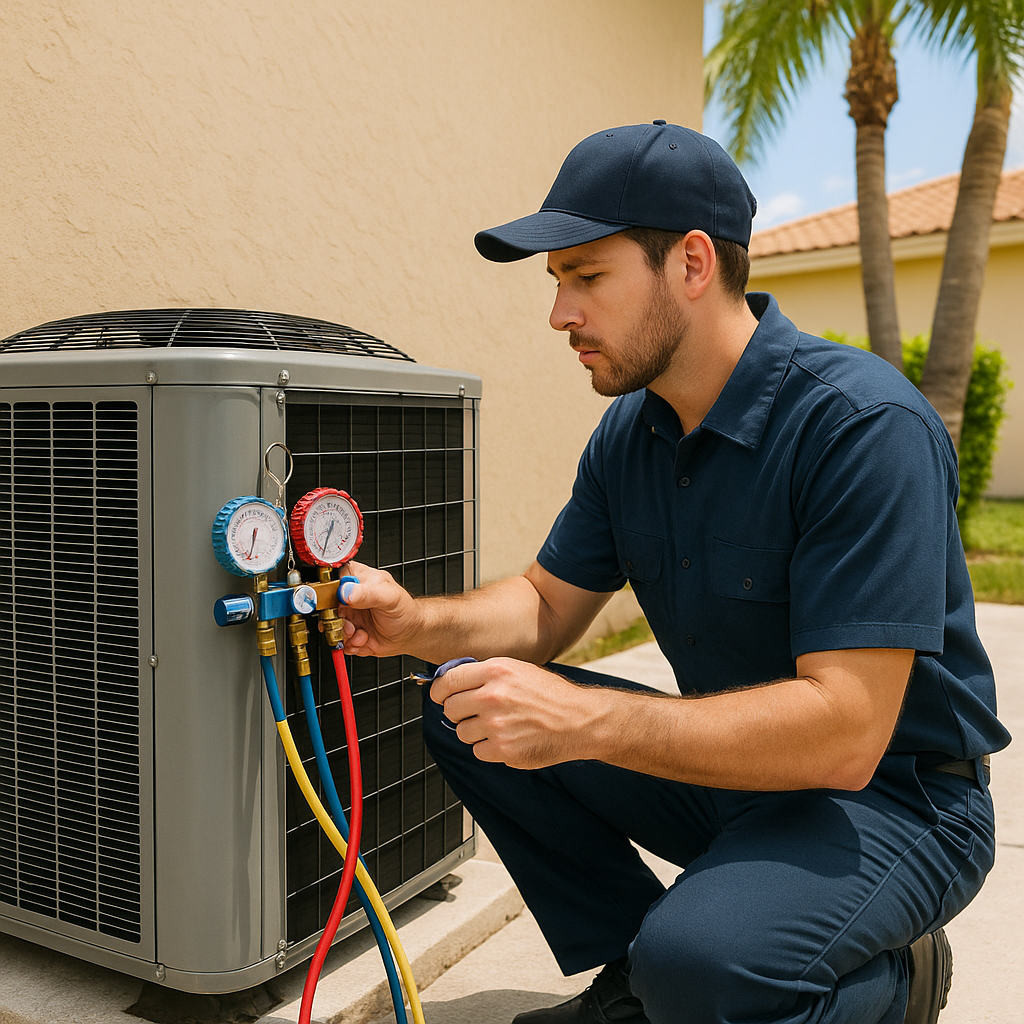
Heat Pump vs. Traditional AC and Furnace: What’s the Difference?
Homeowners comparing a heat pump to a traditional air conditioner paired with a separate furnace should understand a few key distinctions:
- Equipment count. A heat pump provides both heating and cooling in a single outdoor unit, while a traditional setup requires separate cooling and heating equipment.
- Energy source and method. A furnace generates heat through combustion or electric resistance, while a heat pump moves existing heat from the outdoor air, generally using less energy in the process.
- Climate suitability. Traditional furnaces are often better suited to regions with harsh, extended winters, while heat pumps perform most efficiently in milder climates like South Florida’s.
- Long-term costs. While the upfront installation cost for a heat pump can be higher than a standard AC-only system, the combined savings on heating costs and simplified maintenance often make it a cost-effective choice over the equipment’s lifespan.
Types of Heat Pumps for Southwest Ranches Homes
Central Ducted Heat Pumps
A central heat pump connects to your home’s existing ductwork, similar to a traditional central air system, distributing heated or cooled air throughout the house from a single outdoor unit. This option works well for homes with ductwork already in good condition.
Ductless Mini-Split Heat Pumps
For homes without existing ductwork, additions, guest houses, or detached structures common on larger Southwest Ranches properties, a ductless mini-split heat pump delivers the same heating and cooling functionality without requiring ducts. Each indoor unit operates independently, allowing zoned comfort control room by room or structure by structure.
Benefits of Heat Pump Installation in Southwest Ranches, FL
Choosing a heat pump for your Southwest Ranches property offers several practical advantages:
- Energy efficiency. Heat pumps are known for high efficiency because they transfer heat rather than generate it, which can meaningfully lower energy bills in a mild climate like ours.
- Year-round comfort from one system. Seamlessly switch between heating and cooling without maintaining two separate pieces of equipment.
- Reduced environmental impact. Because heat pumps use less electricity than conventional heating systems, they reduce your overall energy consumption and carbon footprint.
- Long-term savings. While the initial installation cost can be higher than a standalone AC system, the combined efficiency of heating and cooling from one system often pays off over time.
- Flexible options for varied properties. Ducted or ductless configurations mean a heat pump can be matched to a main residence, an addition, or a separate structure on the property.
- Quiet, consistent operation. Modern heat pump systems, particularly those with inverter technology, adjust output gradually rather than cycling on and off, resulting in steadier temperatures and quieter performance.
The Heat Pump Installation Process
A properly executed heat pump installation follows a clear, methodical process:
- Home assessment and load calculation. A technician evaluates your home’s size, insulation, layout, and existing equipment to determine the correct heat pump capacity for your specific space.
- System selection. Based on the assessment, you’ll choose between a ducted or ductless configuration and select equipment that fits your efficiency goals and budget.
- Removal of old equipment, if applicable. If you’re replacing an existing AC or furnace system, the old equipment is safely removed and disposed of.
- Installation of indoor and outdoor components. The outdoor unit is installed with proper clearance, and indoor components, whether connected to existing ductwork or new ductless air handlers, are installed and connected.
- System testing and walkthrough. Once installed, the system is tested in both heating and cooling modes, and your technician will walk you through thermostat settings and basic operation.
Proper sizing is one of the most important parts of this process. A heat pump that’s too large or too small for your home won’t perform efficiently, regardless of how well it’s installed.
Choosing the Right Heat Pump System
Selecting the right heat pump depends on several property-specific factors:
- The square footage and layout of the space being conditioned
- Whether ductwork already exists or a ductless configuration makes more sense
- The system’s efficiency rating, which affects both performance and long-term energy costs
- The specific brand and equipment warranty coverage
At Cool Running Air, we install heat pump systems from trusted manufacturers including Amana, Mitsubishi Electric, and American Standard. As a Mitsubishi Diamond Contractor, our team holds specialized training in designing and installing high-performance ductless heat pump systems, in addition to our experience with traditional ducted equipment. Residential heat pump installations we complete are backed by manufacturer warranty coverage, giving you long-term protection on your investment.
Heat Pump Maintenance Tips
Regular maintenance keeps a heat pump operating efficiently and helps it deliver reliable performance for years. In South Florida’s climate, where humidity, salt air, and seasonal storms can all affect HVAC equipment, maintenance matters even more. To keep your system in good shape:
- Schedule professional maintenance twice a year, once before the cooling season and once before the cooler winter months
- Replace or clean air filters regularly to maintain airflow and efficiency
- Keep the outdoor unit clear of debris, vegetation, and standing water
- Have the system inspected after major storms, since wind and debris can affect outdoor components
- Address unusual noises, reduced airflow, or inconsistent temperatures promptly rather than waiting for a full breakdown
Frequently Asked Questions
How long do heat pumps last?
With proper installation and regular maintenance, heat pumps typically last 10 to 15 years, and some well-maintained systems perform reliably beyond that range. Regular maintenance plays a significant role in maximizing a system’s lifespan, particularly in South Florida’s humid, storm-prone climate.
Do heat pumps work well in South Florida’s climate?
Yes. Heat pumps are particularly well suited to mild climates like South Florida’s, since they’re most efficient when outdoor temperatures don’t drop to extreme lows for extended periods. Southwest Ranches’ warm winters make heat pumps a practical, efficient choice for year-round comfort.
What’s the difference between a heat pump and a central air conditioner?
A central air conditioner only cools your home, while a heat pump provides both heating and cooling from the same system by reversing its refrigerant cycle. If you currently rely on a standalone AC unit and a separate heating source, a heat pump can consolidate both functions into one system.
Are heat pumps energy efficient?
Yes. Heat pumps are generally more energy efficient than traditional heating systems because they transfer existing heat rather than generating it through combustion or electric resistance. This efficiency advantage is especially pronounced in mild climates like South Florida’s, where a heat pump doesn’t have to work as hard to bridge a large temperature difference.
What warranty comes with a new heat pump installation?
Warranty coverage varies by manufacturer and system type. At Cool Running Air, residential heat pump installations are backed by manufacturer warranty coverage on the equipment, giving homeowners added protection and peace of mind. Ask your technician for the specific warranty details on the system you’re considering.
Year-Round Comfort, One Efficient System
A properly sized and installed heat pump can simplify your home’s heating and cooling, lower your energy costs, and keep your Southwest Ranches property comfortable through every season, without maintaining separate equipment for summer and winter.
Cool Running Air brings over 30 years of HVAC experience and Mitsubishi Diamond Contractor certification to every heat pump installation we complete. Our team will assess your property, walk you through your system options, and install equipment properly sized for the way you actually use your home.
Call us today at (305) 846-9760 or contact us online to schedule a heat pump installation consultation in Southwest Ranches, FL.